
Safety guide
Is Kenya Safe for Tourists? 2026 Travel Guide
An honest 2026 guide to safety in Kenya: safari, Nairobi and Mombasa, roads, health, malaria, entry rules and how to choose a reliable operator.
The Short Answer
- Safari areas: generally very safe when you travel with a professional driver-guide and follow the park rules.
- Cities: in Nairobi and Mombasa, the main risk is petty theft and opportunistic crime. Normal city precautions handle it.
- Roads and health: the real day-to-day risks are rough roads and mosquito-borne illness. Both are manageable with a good guide and good preparation.
- Always: check official travel advice, buy travel insurance and use a reputable operator.
The Honest Answer
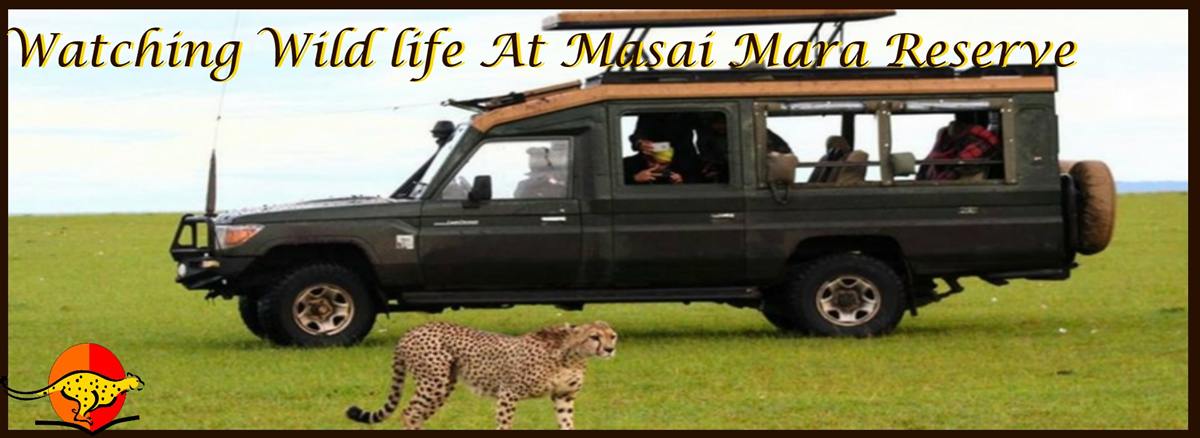
Kenya has a long, well-established tourism industry, and the safari circuit (the Maasai Mara, Amboseli, Tsavo, Lake Nakuru, Samburu and others) is where most visitors spend their time. Lodges and camps are used to welcoming guests, guides are trained, and the parks are managed by the Kenya Wildlife Service and county authorities. On the safari circuit, day-to-day life for visitors is usually far calmer than people expect before they arrive.
That said, nobody should pretend Kenya is risk-free. Crime exists in cities, demonstrations occasionally take place in central Nairobi, and Kenya has experienced terrorist incidents in the past, mostly in the north-east, in some parts of the coast and in Nairobi. Governments publish up-to-date advice on all of this and most single out the counties along the Somali border and some parts of the north-east coast. The main safari parks are well away from those areas. If you are considering Lamu or any other less-visited destination, ask us about the latest advice for it before you decide.
Staying Safe on Safari
Wildlife is wild, and the rules exist to keep both you and the animals safe. On a game drive, your guide handles the driving and the animal behaviour, and you handle the basics:
- Stay in the vehicle at all times, except at designated picnic or walking areas.
- Keep your distance. Rules ask vehicles to stay at least 20 metres from wildlife and below 40 km/h.
- Keep quiet and move slowly. Sudden noises and movements can alarm animals.
- Never feed wildlife and never leave the track.
- Leave parks before dusk. Visitors must be out of the parks between 6 pm and 6 am unless camping, and night game drives are not allowed inside the parks.
Read the full park rules before you travel. At lodges and tented camps, staff will explain the house rules on arrival. In many camps, they escort guests to their tents after dark, so follow their instructions and never walk off alone at night.
Staying Safe in Nairobi and Mombasa
| Situation | What we recommend |
|---|---|
| Arriving at the airport | Have a pre-arranged transfer waiting. We provide a complimentary meet-and-greet and airport-to-hotel transfer on arrival and departure. |
| Getting around town | Use transport arranged by your hotel or a trusted ride-hailing app, especially after dark. Avoid flagging down unknown vehicles at night. |
| Walking | Stick to busy, well-lit areas in daylight. Avoid the city centre after dark and avoid walking with a phone or camera in your hand. |
| Valuables | Use the hotel safe, leave flashy jewellery at home and never leave bags or cameras unattended in public places. |
| Money | Cards are widely accepted. Carry a little cash in small notes and use ATMs inside banks or malls in daylight. |
| Documents | Keep photocopies or photos of your passport, insurance and flight details, stored separately from the originals. |
Road Safety
The roads are probably the most real risk for visitors. Main roads are tarred, but they are busy and narrow in places, and the roads leading into many parks are rough. Driving times on any itinerary are estimates, because traffic and road conditions change from day to day. This is one of the best reasons to travel with a professional driver-guide who knows the roads, rather than driving yourself. Our guides are Kenyans who grew up near the parks, with between 5 and 25 years of experience. Wear your seat belt, and avoid long drives in the dark outside the cities.
Health: Malaria, Vaccinations and Water
- Malaria: speak to your doctor or a travel clinic well before you go about prevention. On the ground, use insect repellent, wear long sleeves and trousers after sunset and sleep under the nets provided at camps.
- Vaccinations: see a doctor or licensed travel clinic weeks before departure. Some travellers need a yellow fever certificate, depending on where they are arriving from.
- Water and food: do not drink tap water. We provide complimentary bottled water in the safari vehicle, and lodges and camps serve safe, freshly prepared food.
- Medical care: Nairobi has excellent medical facilities, and most lodges and camps have a doctor on call. Our safari vehicles carry a first aid kit and a long-range radio.
- Insurance: take out travel insurance that covers medical treatment and emergency evacuation. Please arrange this yourself before you travel, as our packages do not replace your own travel insurance.
Entry Requirements
Most visitors need an online travel authorisation (eTA) before travelling to Kenya, and your passport should be valid for at least six months after arrival. Requirements and fees can change, so apply only through the official Kenyan government eTA website and check the current rules with your airline or the nearest Kenyan embassy. Be wary of look-alike sites that charge extra fees for the same service.
Solo Women, Families and LGBTQ+ Travellers
- Solo women: many women travel to Kenya alone and have a great time. Use the same precautions as in any big city, arrange transfers in advance, stay at reputable lodges and dress modestly away from the beach.
- Families: Kenya is a very welcoming destination for children. See our guide to a family safari in Kenya.
- LGBTQ+ travellers: same-sex relationships remain criminalised in Kenya and attitudes are conservative outside a few tourist settings. Same-sex couples generally choose to be discreet in public. Tell us your needs and we will recommend properties accordingly.
- Travellers with mobility needs: we cannot guarantee that every property will be accessible, but we will do our best to reserve places of equal standard that suit your needs. Please tell us in advance.
Local Laws and Good Manners
- Ask permission before photographing people or their homes.
- Do not buy products made from wild animals. Selling ivory and other wildlife products is illegal.
- Plastic carrier bags are banned in Kenya. Pack in fabric or other bags, and do not carry plastic bags through the airport.
- Drones are tightly regulated, so leave yours at home unless you have arranged permission.
How to Choose a Safe, Reliable Safari Operator
The operator you choose affects your safety more than almost anything else. Look for these signs:
- Clear booking terms: deposits, cancellation rules and what is included should be written down. Ours are on our booking terms page.
- Genuine, recent reviews on independent sites such as Tripadvisor and Google.
- Qualified guides and proper vehicles: ask about guide certification and make sure vehicles carry radios and first aid kits.
- A real office and a phone number that gets answered. You are welcome to visit ours at Galleria Mall, Karen, Nairobi.
- Sensible prices: be cautious of offers that are far cheaper than everyone else's, and avoid paying large sums to personal accounts.
Frequently Asked Questions
Is it safe to go on safari in Kenya?
Yes, for the great majority of visitors. Travelling with an experienced driver-guide, staying in reputable lodges and following the park rules makes a safari one of the lowest-risk parts of a Kenya trip.
Is Nairobi safe for tourists?
Nairobi is a busy capital with the usual big-city risks, mainly petty theft. Using arranged transport, staying in good hotels, avoiding the city centre after dark and keeping valuables out of sight keeps risk low.
Do I need malaria tablets for Kenya?
Many visitors take them, but advice depends on your health, your itinerary and the time of year. Speak to your doctor or a travel clinic well before you travel.
Is the tap water safe to drink?
No. Drink bottled water. We provide complimentary bottled water in the safari vehicle, and lodges and camps sell it.
What if there are protests or a change in travel advice?
Check your government's travel advice before you travel and again close to departure. If conditions change, we adjust routes and transfers, and you can speak to us at any time. Our line is open 24/7.
Can I travel to Kenya alone as a woman?
Yes, and many do. Arrange transfers in advance, choose reputable lodges and dress modestly away from the beach, and you will find Kenyans welcoming and helpful.
Plan a Safari With Peace of Mind
Our local team meets you at the airport, drives you in a safari vehicle fitted with a radio and first aid kit, and is on the phone around the clock. Tell us your plans and we will do the rest.
Ask us anything, or get a free custom quote:
WhatsApp Us for a Free QuoteEmail: inquire@flexivelkenyasafaris.com
www.flexivelkenyasafaris.com
Accreditations & booking security




Follow the safari
See Kenya Through Our Lens
Wildlife moments, lodge tours and trip stories from our guides and guests.